Carried by the wind
March 19, 2026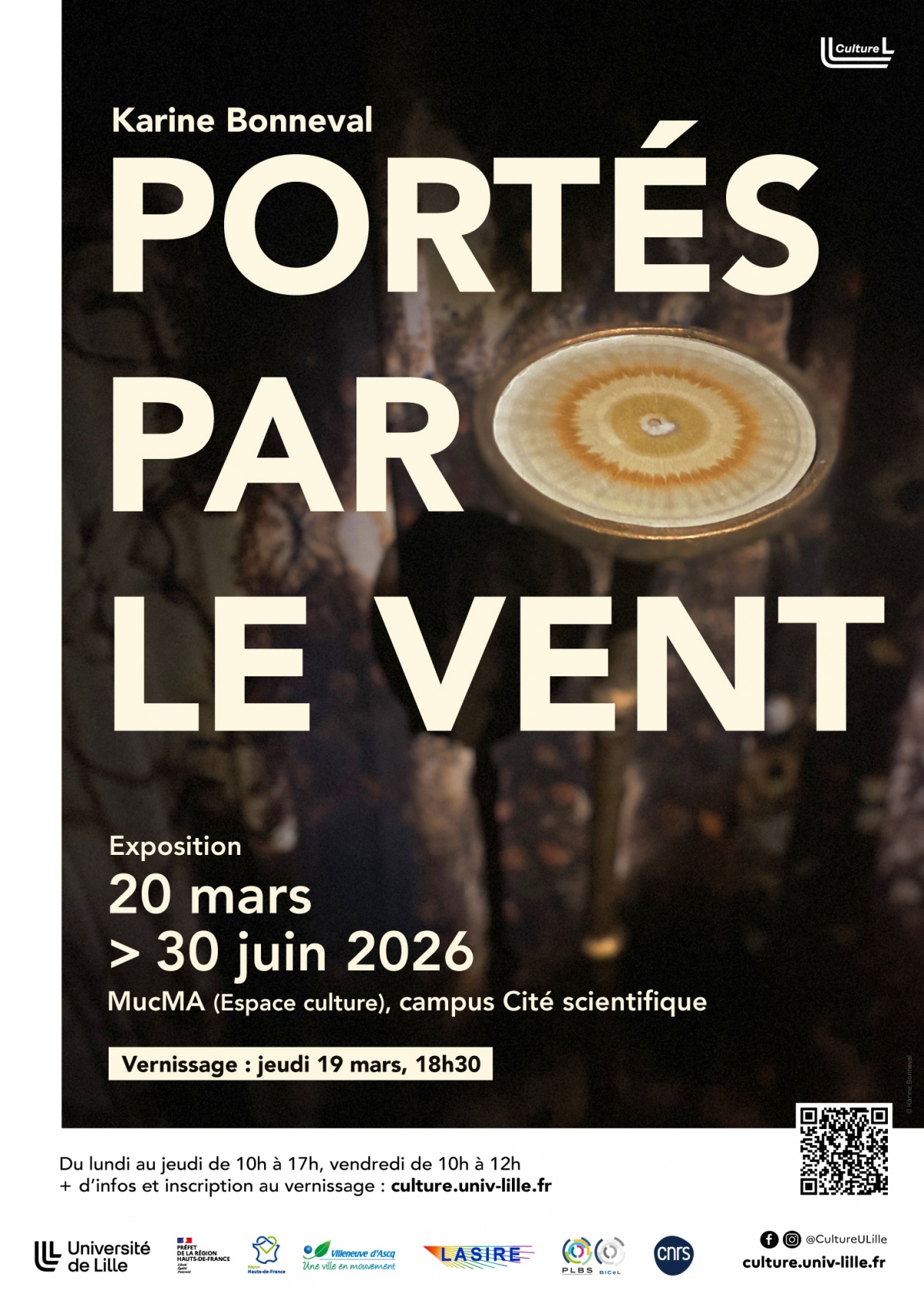
From March 20 to June 30, 2026, at the MucMA (Cultural Space), Cité Scientifique campus, in partenership with LASIRE
Opening Thursday, March 19 at 6:30 p.m.
free register : https://billetterie-culture.univ-lille.fr/event/634877-vernissage-exposition-portes-par-le-venthttps://billetterie-culture.univ-lille.fr/event/634877-vernissage-exposition-portes-par-le-vent
grains, at the intersection of environmental, health and climate issues.
In her studio, Karine Bonneval draws on botanical, animal and human forms to create hybrid works blending craftsmanship and contemporary technologies. Her installations offer sensitive ecologies where breathing, moving and listening alongside plants becomes a shared experience. Straddling popular culture and scientific research, she invites us to embrace ‘phytomorphism’, a way of inhabiting the world in the manner of plants. Her work is developed alongside professional and amateur practitioners across a variety of disciplines: science, philosophy, performance, market gardening, gastronomy...
Since 2021, Karine Bonneval and the LASIRE research team have been collaborating on projects where scientific investigation and artistic exploration intertwine around a tiny yet central organism: allergenic pollen.
Their dialogue gives rise to new, sensitive and speculative forms, helping us to reconnect with those invisible particles that orchestrate the reproduction of life. The birch tree, and the ecosystem it supports, becomes one of the central themes.
Being in nature, a day combining art and science
November 4, 2025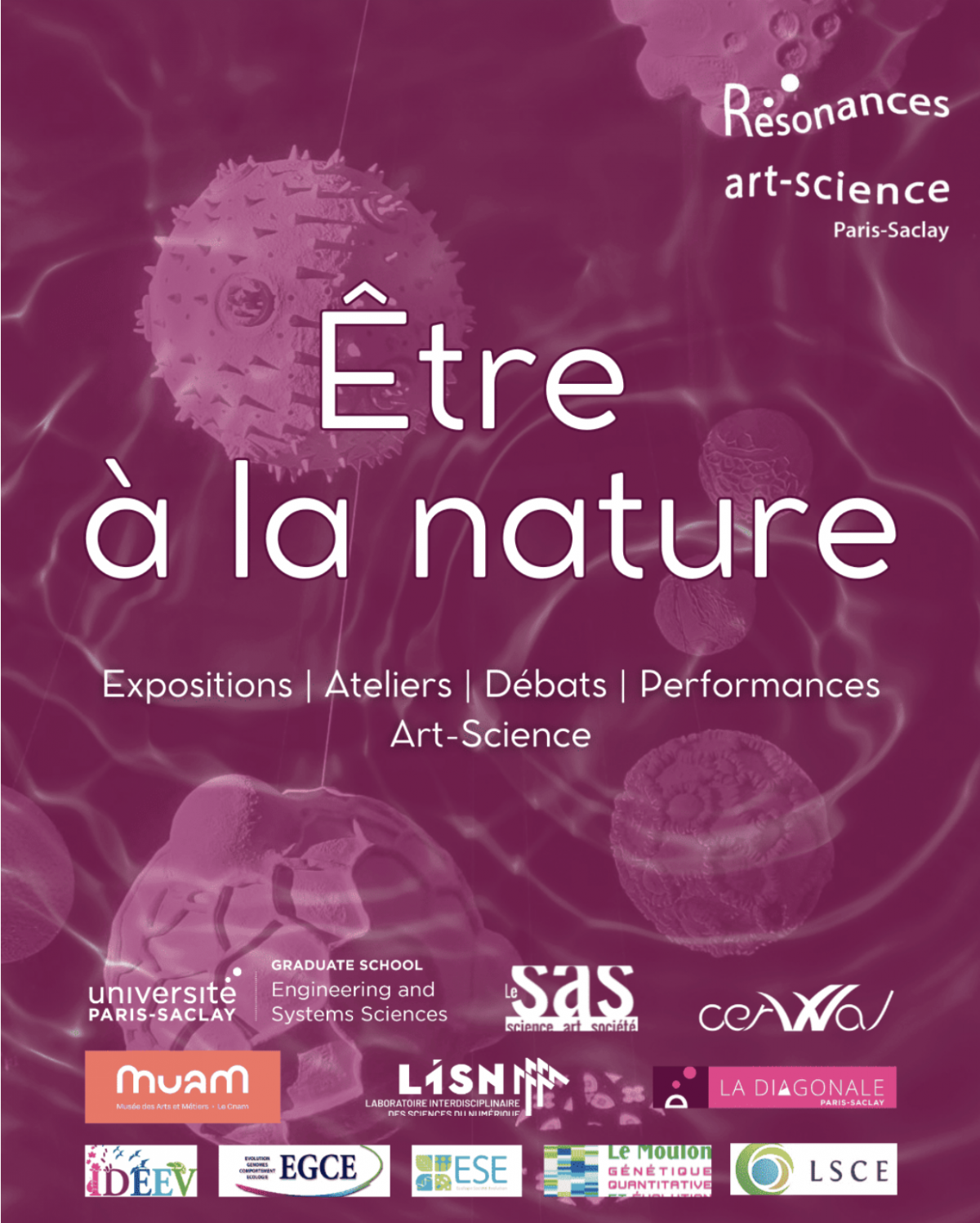
A day of debates, presentations and performances to explore and reimagine our relationship with living things with Audic Rizk Photographic Artwork, Fanny Rybak, Karine Bonneval, Delecluse, Christian, Hélène Courvoisier, Araks Sahakyan, Nicolas viovy, Sophie Nadot, Céline Riauté, Teurk Valentin, Davide Faranda, Dominique Gonin Peysson, Elise COLIN, Béatrice Albert, Nadia de Bernardi, Tim Schneider, Charles Menard, Marie-Julie Bourgeois, Marie Truffier, Jérémy Jacob, Anaïs Raynaud
plants intelligence, RICX art and science festival
October 16, 2025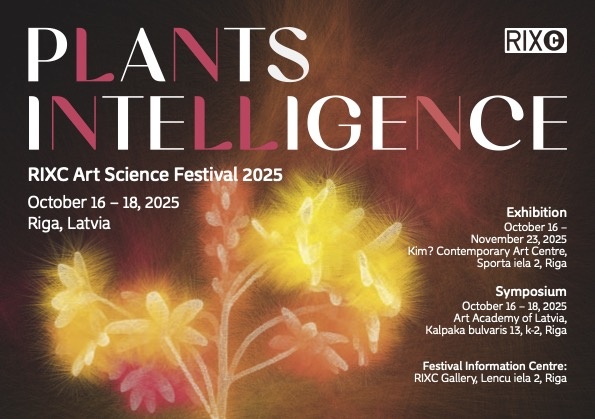
This year, Riga-based RIXC Center for New Media Culture celebrates its 25th anniversary. Since its founding, local collaboration and international networking have been at the heart of RIXC’s development. In this spirit, the 2025 festival is created together with key partners from Latvia, the Baltic-Nordic region, Europe, and world-wide.
Over the years, RIXC has gradually developed a discourse of techno-ecologies at the intersection of art, science, and technology, exploring topics such as renewable futures, ungreening greenness, ecodata, post-sensorium, crypto art and climate, and symbiotic realities. This year’s leading theme, Plants Intelligence, is shaped in close collaboration with RIXC’s distinguished partners — the Basel-based research team of the Swiss National Science Foundation (SNSF)-funded project Plants_Intelligence. Learning Like a Plant, which over the past four years has investigated how plant evolution and vegetal intelligence can inspire new methods, knowledge, and aesthetic approaches in both lifestyle change and the arts. Their research fi ndings — spanning Indigenous knowledge
and ethnobotany, critiques of extractive agriculture, experiments in organic breeding, and explorations of how plants sense, adapt, and relate to light and atmosphere — provide the theoretical basis for RIXC’s anniversary festival edition.
Gardening, cité des sciences
October 14, 2025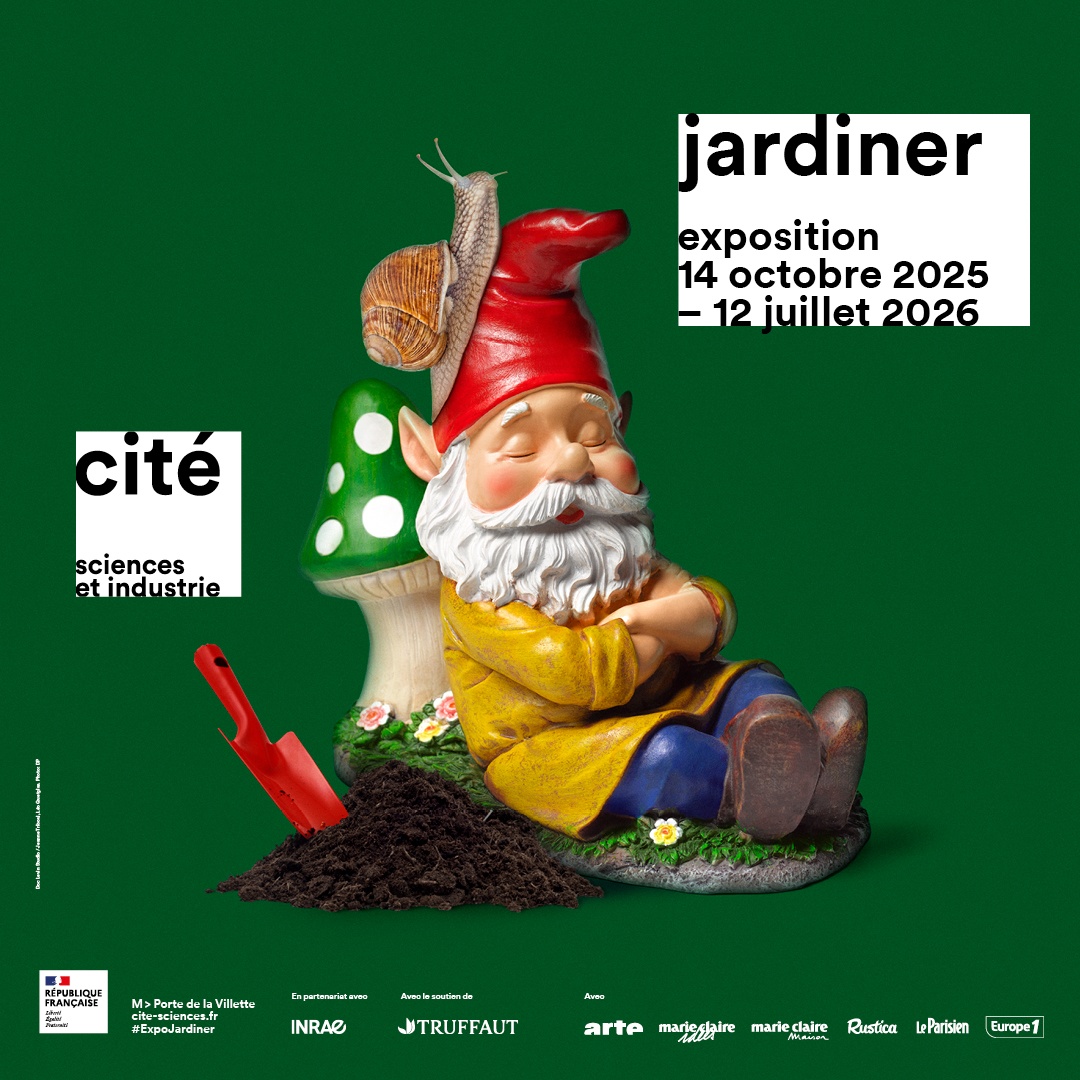
In six chapters, the exhibition sets the scene! A wide variety of installations reinterpret existing gardens, while stimulating one of your senses. Each universe is complemented by a series of experiences to enrich your cultural knowledge.
As you wander around, brush up on your knowledge of inter-species relationships, soil biodiversity, the impact of climate on gardens, and the practices and benefits of gardening... Get to know the animal and plant species in our gardens that are traditionally unloved. Sow your seed of inspiration on ‘La fresque des jardiniers’ (The Gardeners' Mural), an evolving, collective and living digital work of art.
At the crossroads of arts and sciences, Gardening offers a breath of fresh air to reconnect with nature!
the ecosystems whisper
October 9, 2025
ering of ecosystems
2km4_For a joyful ecology
Karine Bonneval • Anaïs Tondeur Floriane Pochon • Collectif Orbe
11 October to 7 December 2025
Rémi Darmon, Mayor of Orsay, and Véronique France-Tarif, Deputy Mayor in charge of culture,
events, urban planning and heritage, are pleased to invite you to the exhibition.
Since 2023, the 2km4_For a joyful ecology project has been questioning and exploring our relationships with living beings through a series of artistic and scientific research projects rooted in the Yvette Valley and the Saclay Plateau.
At La Crypte, artist Karine Bonneval presents Symbiotes symphonie, an immersive experience born out of a collaboration with microbiologist Ludwig Jardillier and bioacoustician Hélène Courvoisier. She invites everyone to a sensory encounter with the microorganisms found in the ponds and streams of the area. Echoing this, artists Anaïs Tondeur and Floriane Pochon bring to the surface
another invisible world: that of dreams shared with plants. They have developed a sensitive and sonorous style of writing, with philosopher Michaël Marder and writer and anthropologist Marine Legrand.
Other resources for this project are available on radio 2km4 from the Orbe collective and Floriane Pochon.
Opening Thursday 9 October at 7pm
Curators: Julie Sicault Maillé and Rémy Albert •
2km4_Pour une écologie joyeuse (For a joyful ecology) is supported by the SIANA artistic laboratory in collaboration with the ESE laboratory (IDEEV) • Symbiote symphonie by Karine Bonneval was created in
collaboration with the Collectif pour la Culture en Essonne and presented as part of the 11th edition of the Science de l'art festival • The installation by Anaïs Tondeur and Floriane Pochon is presented in collaboration with Paris-Saclay University as part of the Curiositas biennial.
La Crypte d’Orsay | 4 avenue Saint-Laurent
Free admission, Wednesdays from 3pm to 6pm, Saturdays and Sundays from 3pm to 7pm
expositions@mairie-orsay.fr | 01 60 92 80 28
Family workshop Saturday 15 November at 2.30pm
Discover linocut printing with artist Karine Bonneval • Duration 2 hours • Ages 6 and up
Free upon registration • 01 60 92 80 23 • mediationartistique@mairie-orsay.fr
Art and botanique, prospects for the living
October 8, 2025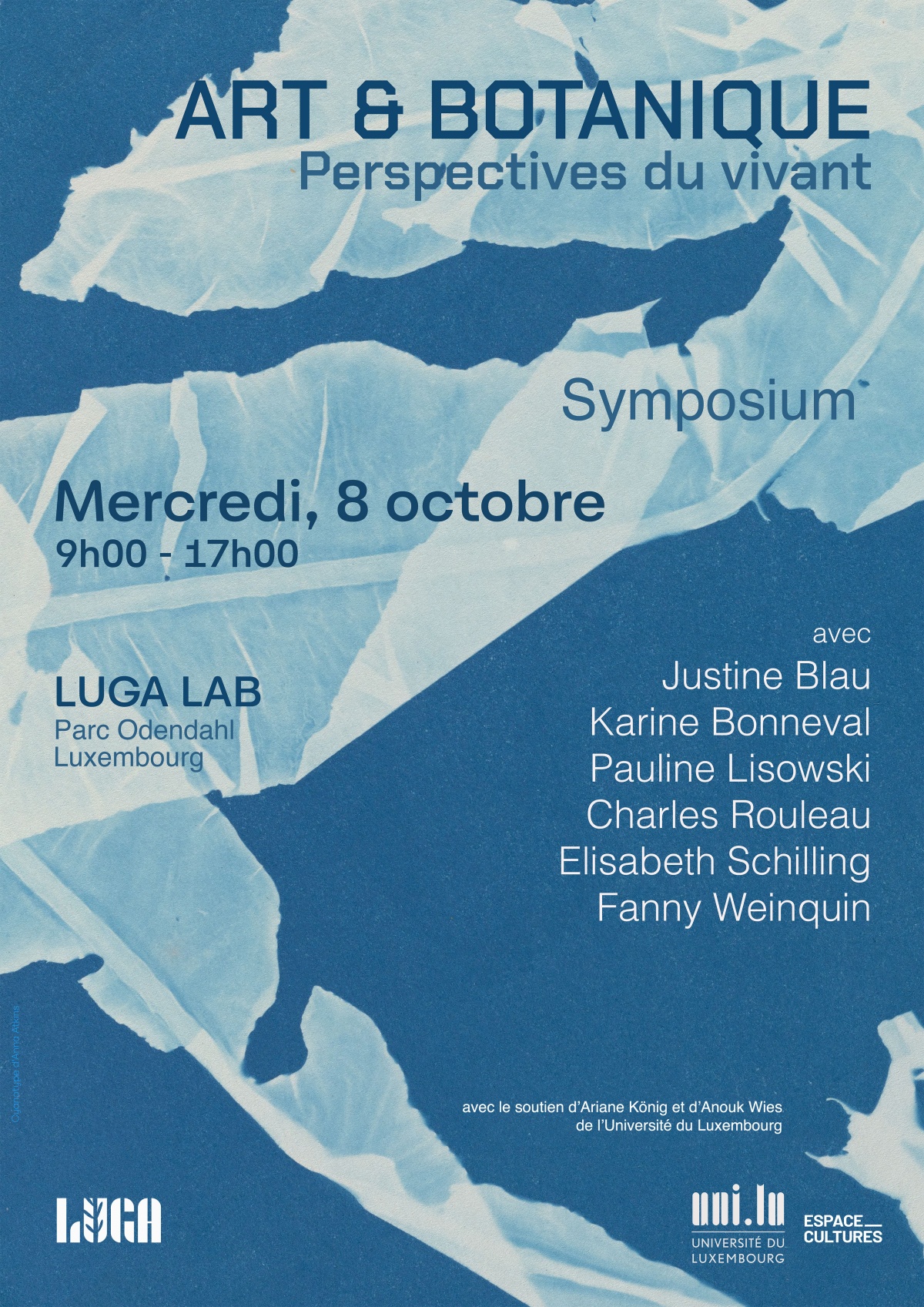
Symposium at the crossroads of curatorial, artistic, scientific and horticultural practices. Speakers: Justine Blau, Karine Bonneval, Ariane König, Pauline Lisowski, Charles Rouleau, Elisabeth Schilling and Fanny Weinquin
A day at the crossroads of curatorial, artistic, scientific and horticultural practices, highlighting the poetic, political and ecological dimensions of our relationship with plants and inviting us to imagine other forms of coexistence.
straw, earth, stone, exhibition, Maison Composer, les Piloux
October 4, 2025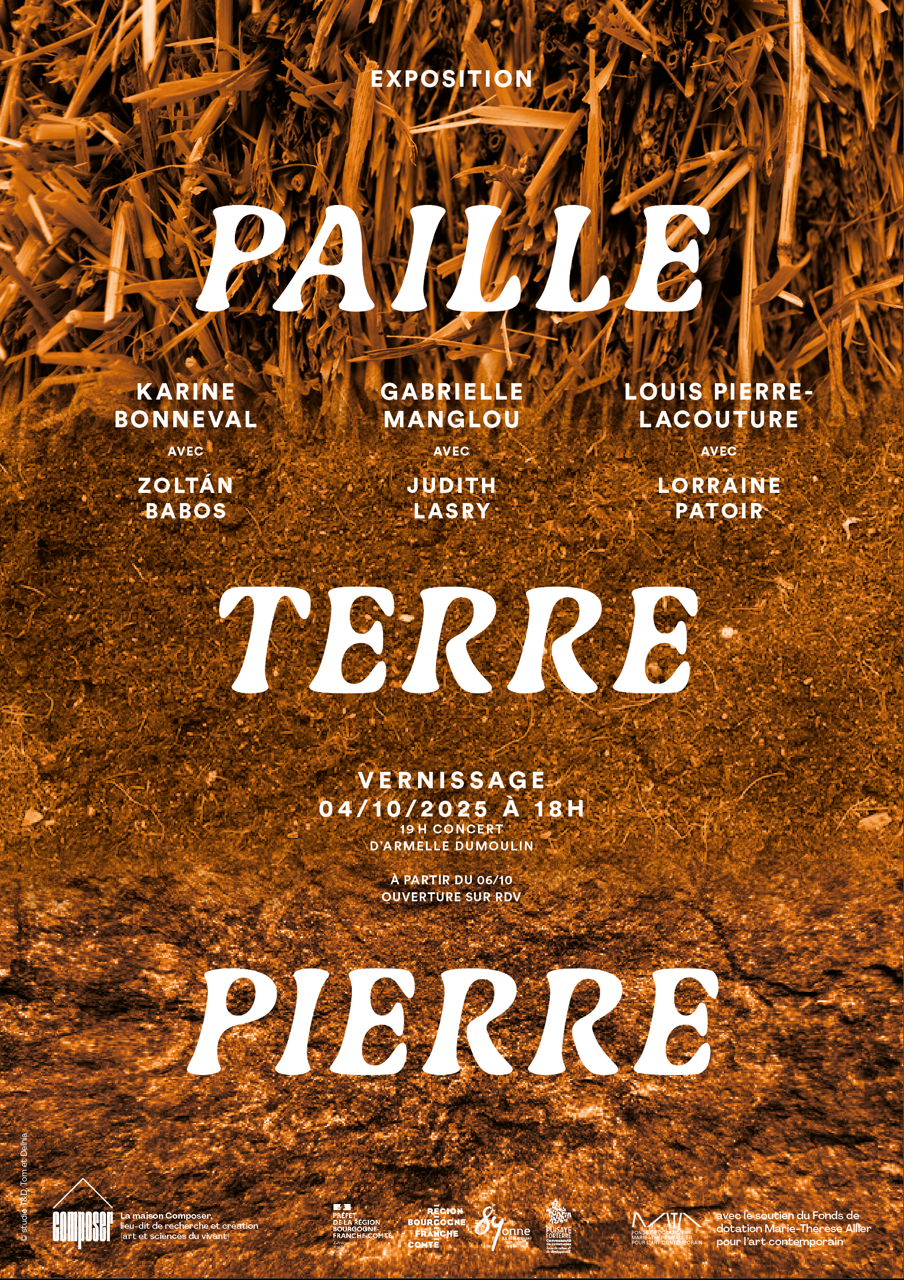
Exhibition from 4 October to 20 December 2025 at Maison Composer
In the Poyaudin landscape, where the land has shaped the identity of a region for centuries, three artists and three residents have been weaving unique dialogues between ancestral practices and contemporary creations since 2024, at the invitation of Maison Composer.
This creative residency raises a question: how can local skills (mushroom cultivation, ceramics and pottery) become vehicles for reflection on our relationship with living things and time? Between the domestic and the wild, between the ephemeral mycelium and the permanence of minerals, between the strata of the soil and the vibrations of stone, the exhibition Straw, Earth, Stone reveals the invisible links that unite our daily actions with geological rhythms.
The duos formed embody a philosophy of working together, where the transmission of knowledge is combined with artistic experimentation. In the straw bales where Zoltán Babos cultivates his mushrooms, Karine Bonneval captures the sounds of the mycelium and attempts to establish inter-species communication through music; the earth modelled by Judith Lasry is transformed into domestic altars under the hands of Gabrielle Manglou; the stones collected around Lorraine Patoir's workshop sing thanks to the devices of Louis Pierre-Lacouture.
This exhibition invites us to listen to what materials have to say, to discover the poetry of craftsmanship, and to rethink our coexistence with the mineral, plant and fungal worlds.
Being in nature, exhibitions, workshops, debates, art and science performances, Paris-Saclay University
September 26, 2025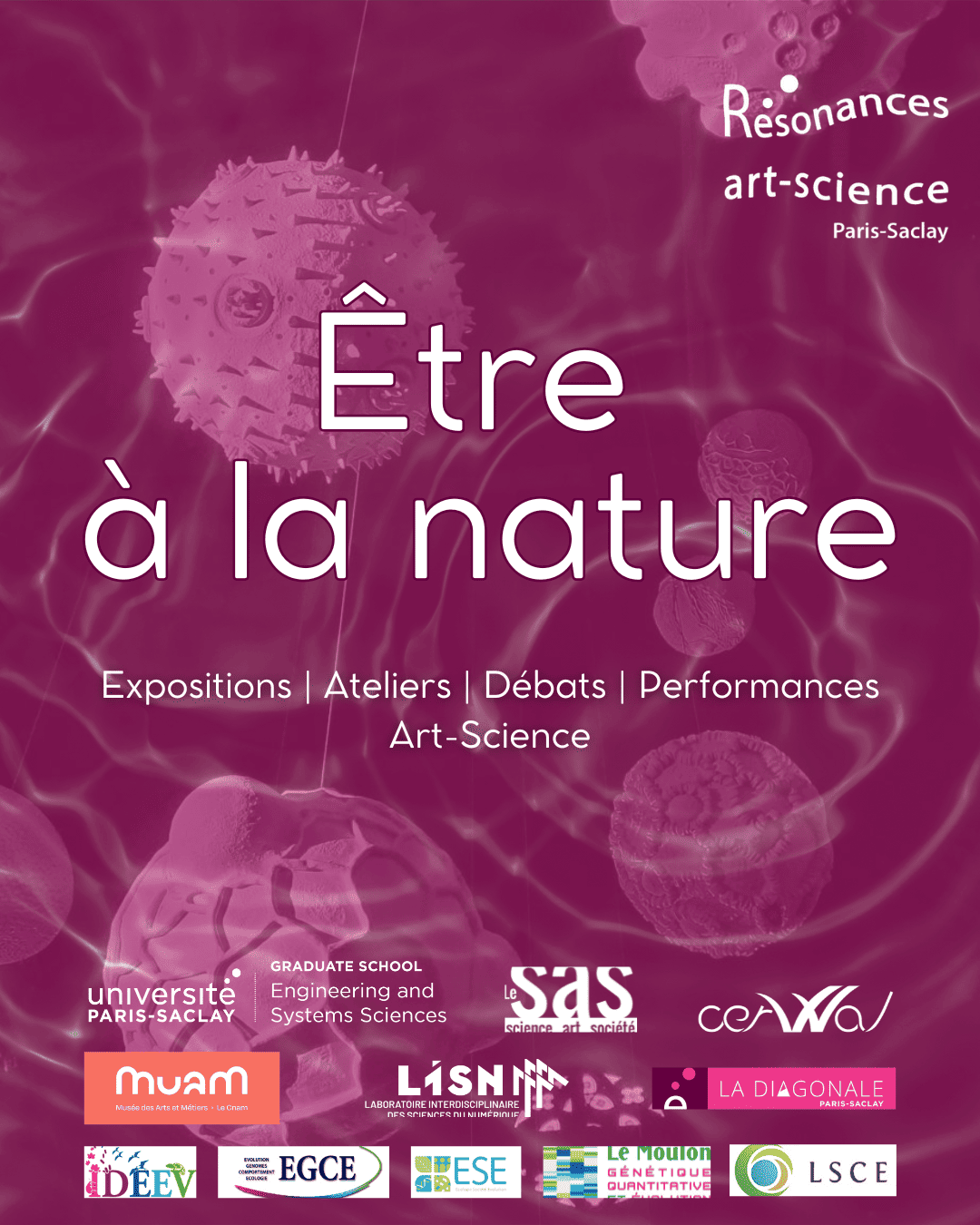
The Being in Nature resonance axis runs from June to
December 2025 and involves the Institute for Diversity, Ecology and
Evolution of Life (IDEEV), with its three laboratories:
Ecology, Society and Evolution (ESE), Evolution, Genomes,
Behaviour and Ecology (EGCE), and Quantitative
and Evolution (GQE), the Laboratory of
Climate and Environmental Sciences (LSCE), the
Interdisciplinary Laboratory of Digital Sciences
(LISN) and the Musée des Arts et Métiers, one of the
oldest technical and industrial museums in the
world, which presented the Carbon Footprint exhibition
2024-2025 cultural season. As part of
this theme and Nuit Blanche 2025, from 7
to 17 June 2025, the museum hosted the art-science exhibition
L'Air de rien.
In autumn 2025, over a period of three months, the laboratories
will host free access to art-science works and projects.
Several events related to these exhibitions will be open to the general public:
26 September 2025 | 9am-11am: art-science breakfast
26 September 2025 | 9am-11am: art-science breakfast
with artists, scientists and
LSCE staff
13 October 2025 | 9am-11am: art-science breakfast
with artists, scientists and
IDEEV staff
4 November 2025 | 9:30 a.m.-7 p.m.: art-science pairing day
open to the general public at the IDEEV
13 November 2025 | 12:30-2 p.m.: art-science café
presentation of the project and meeting with
artists, scientists and staff from the LISN
Residencies guide launch day, CNAP, Palais de Tokyo, Paris
September 15, 2025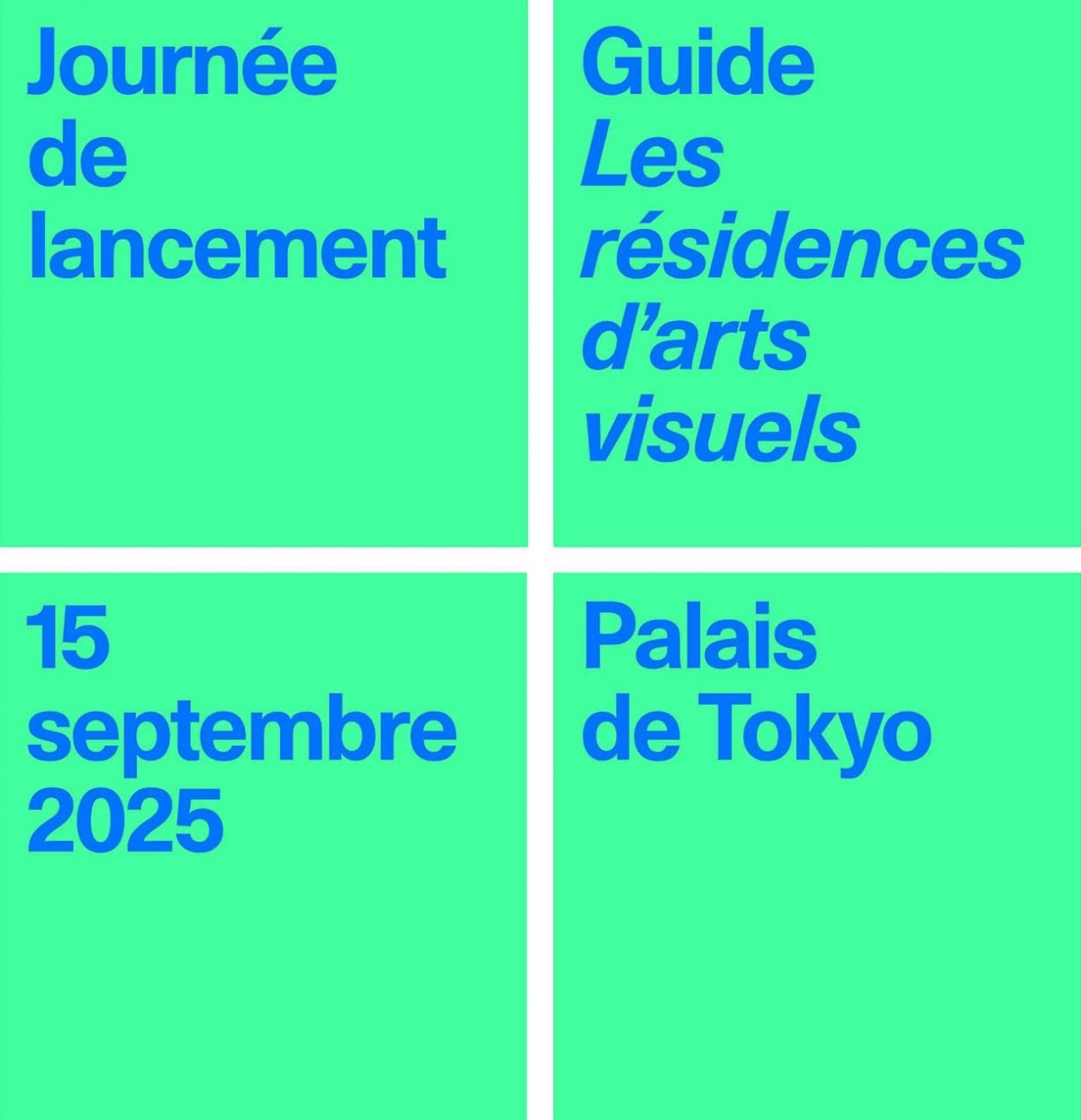
As part of this launch day, the Cnap wishes to highlight the work carried out by the various stakeholders involved in preparing this comprehensive guide. It will also be an opportunity to share with professionals the findings and themes addressed during the work process and which form the basis of the recommendations issued.
Through analysis, experience sharing and information exchange, this event will provide an opportunity to revisit the issues identified with a view to equipping professionals with the necessary tools. The presentation of the sociological study commissioned for this occasion will be followed by two round tables and two practical sessions.
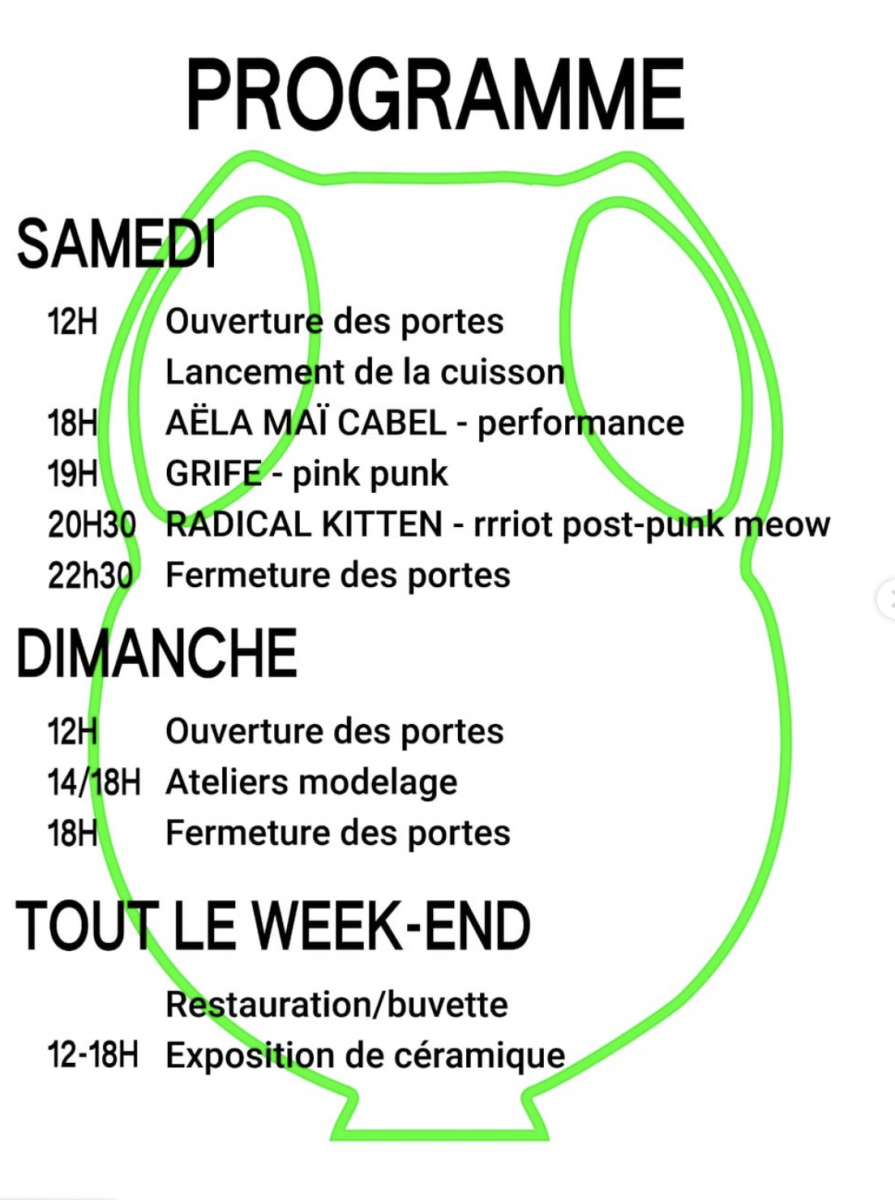
Bruti contemporain, la Morinerie, Saint Pierre des Corps
September 6, 2025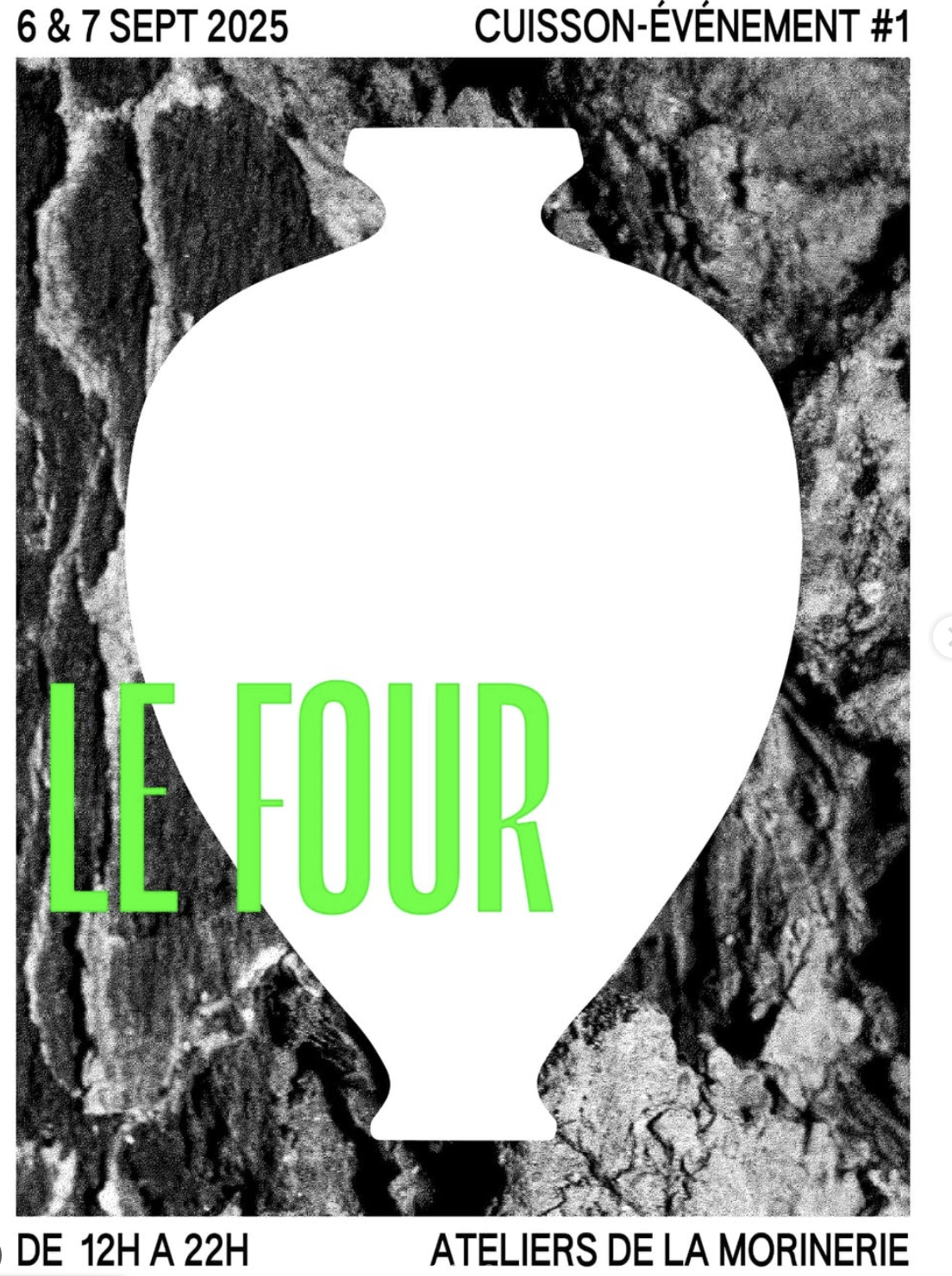
Ceramics in all its forms.
Exhibition, performances, workshops, firing.
More information on the website