Gardening
From October 14th to July 11th 2025 Sciences and industry city, Paris
In a world facing major environmental, social and health challenges, what does “gardening” mean in the 21st century? This is a question you will ponder as you stroll through the new temporary exhibition at the Cité des Sciences et de l'Industrie.
A journey through six gardens: one that heals, one that nourishes, one that delights, one that connects, one that reveals itself and one that adapts.
Mediterranean plants grow slowly, in dry, often rocky soil, exposed to the sun and wind. Over thousands of years, they have developed strategies to survive the heat and lack of water. But today, droughts are becoming more intense and more frequent — and even these resilient plants are being put to the test.
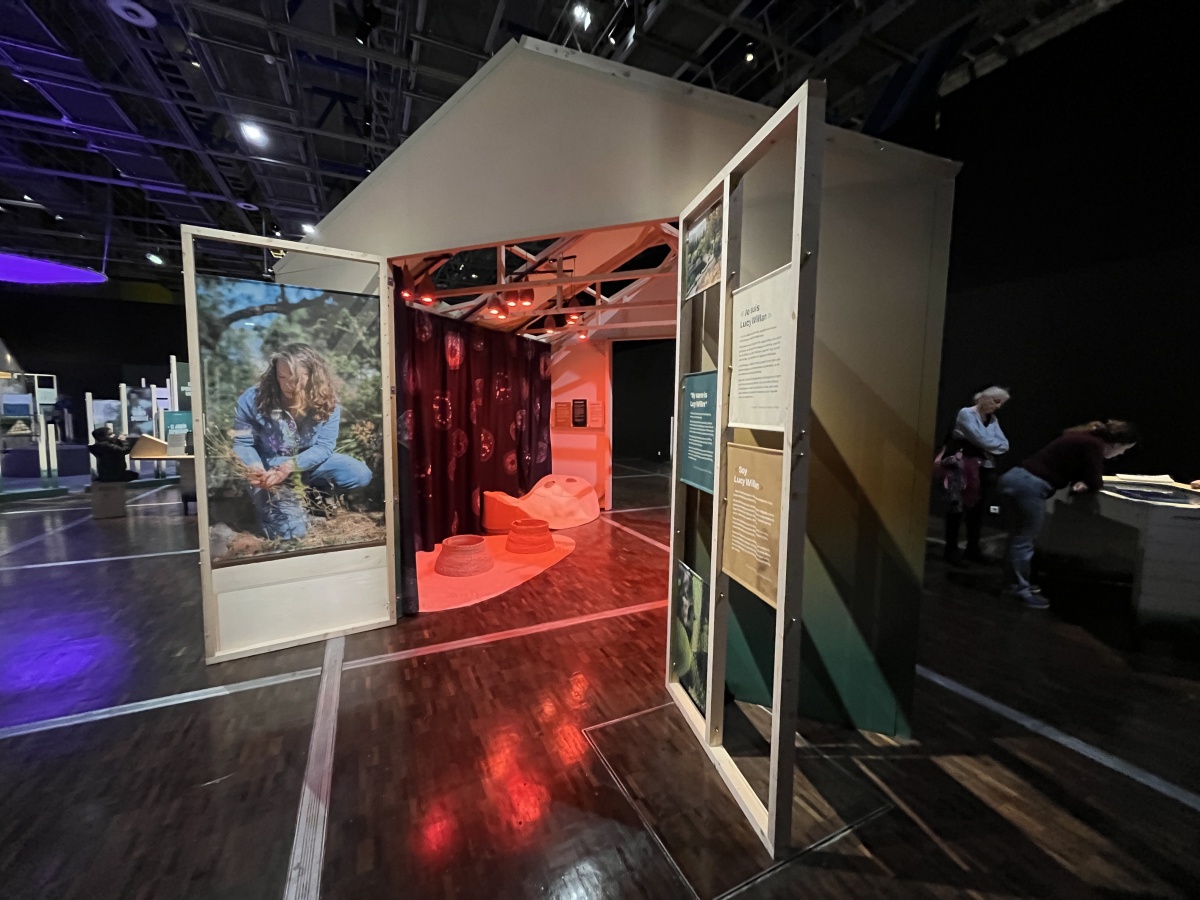
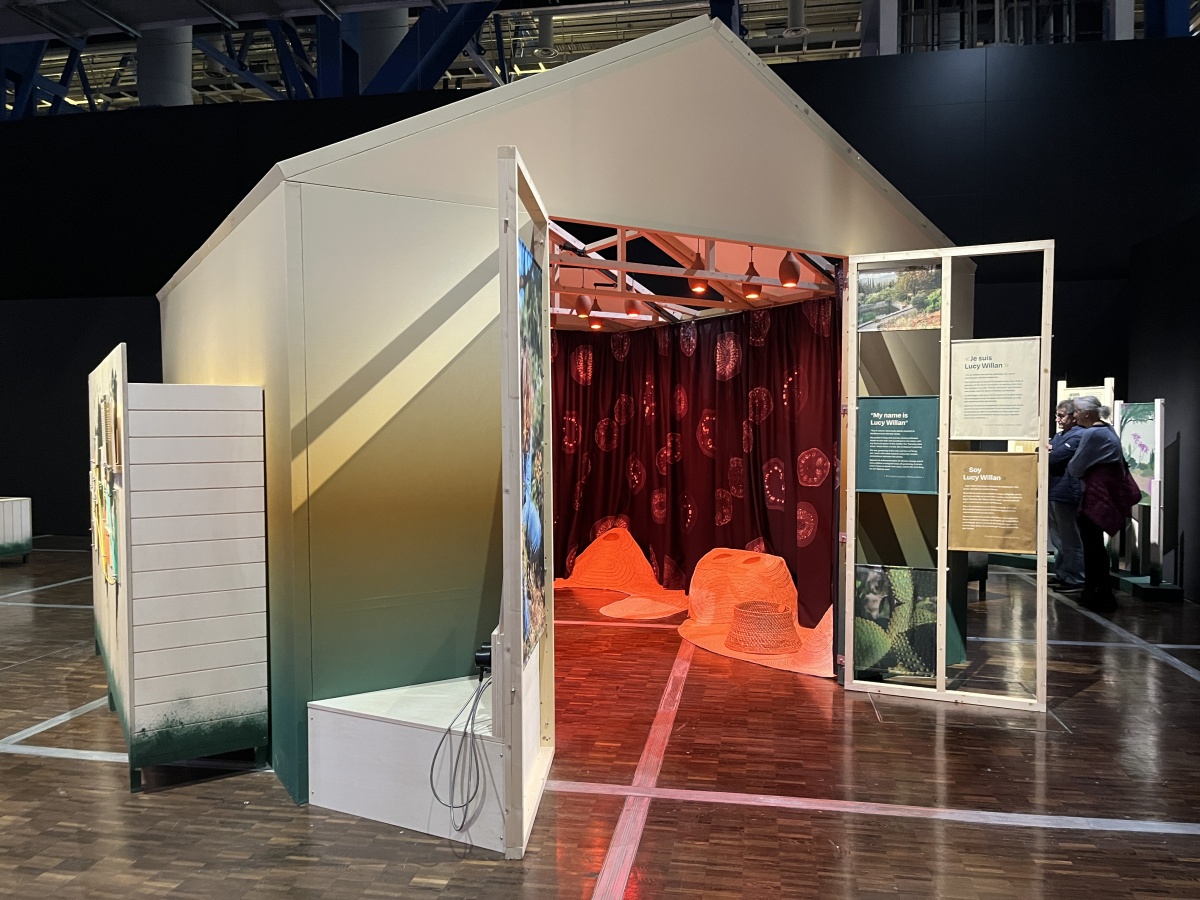
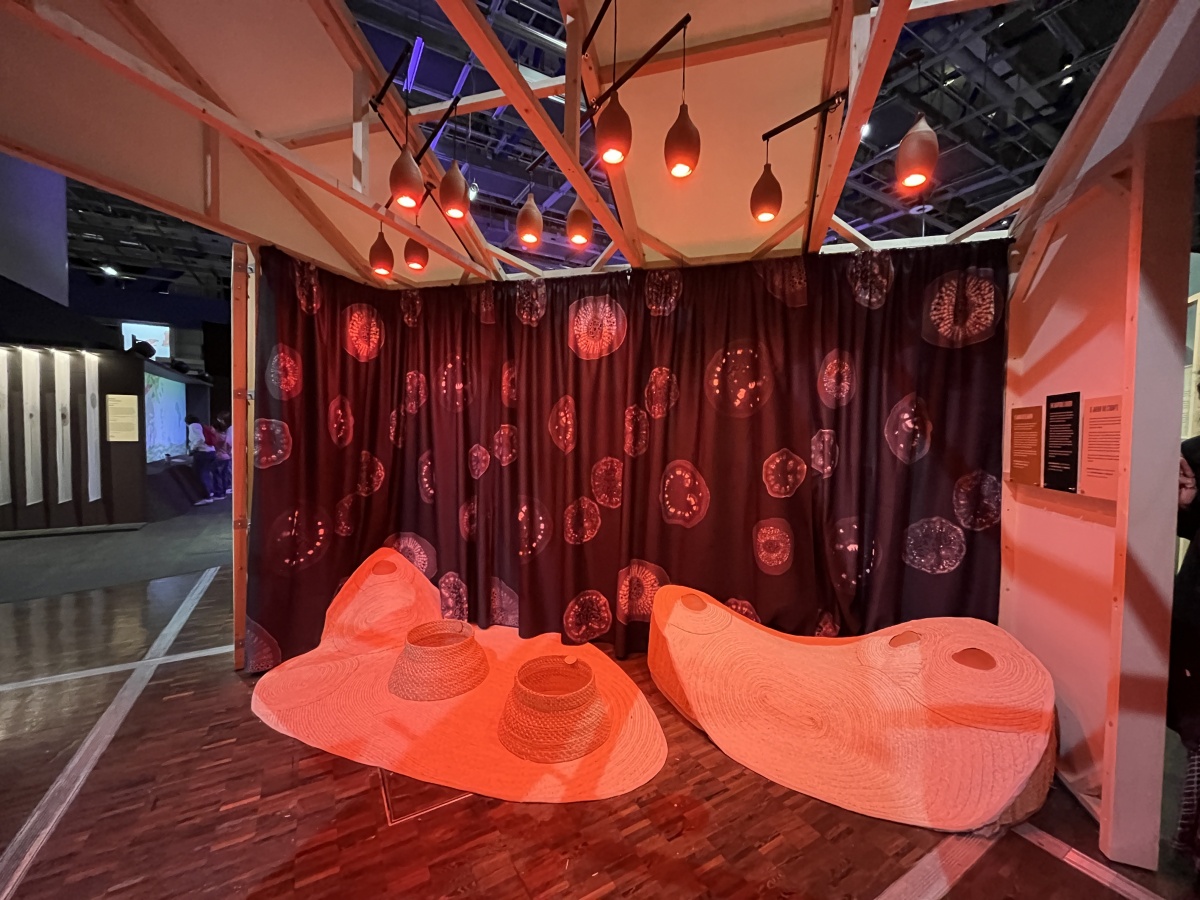
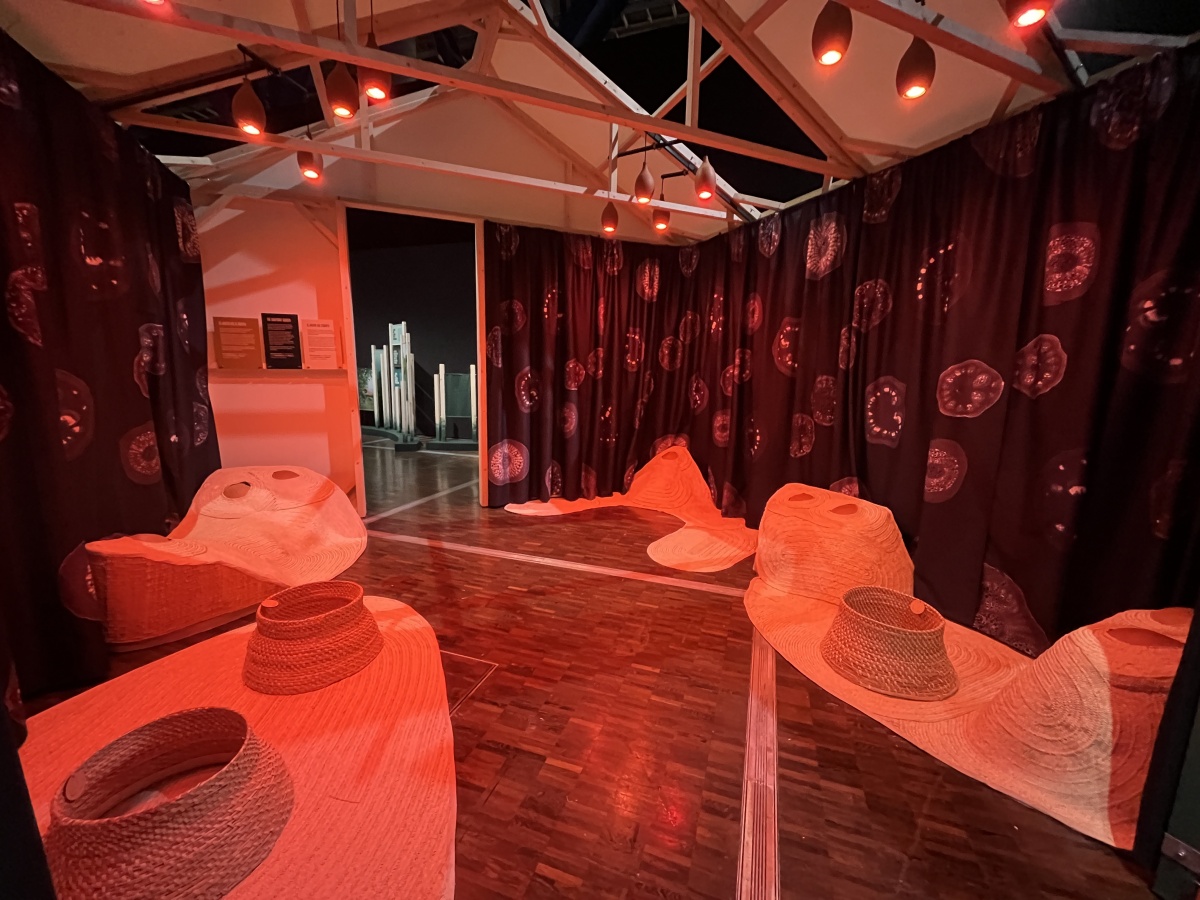
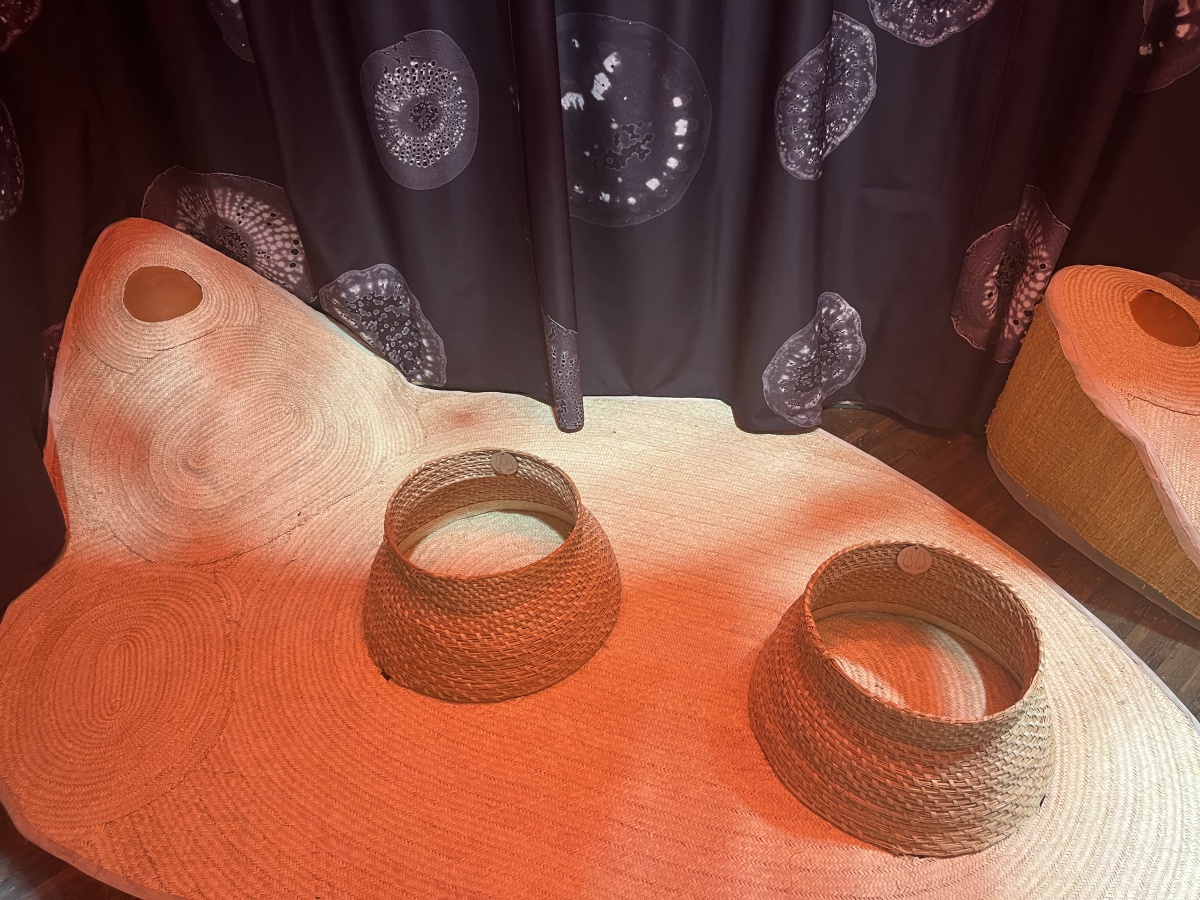
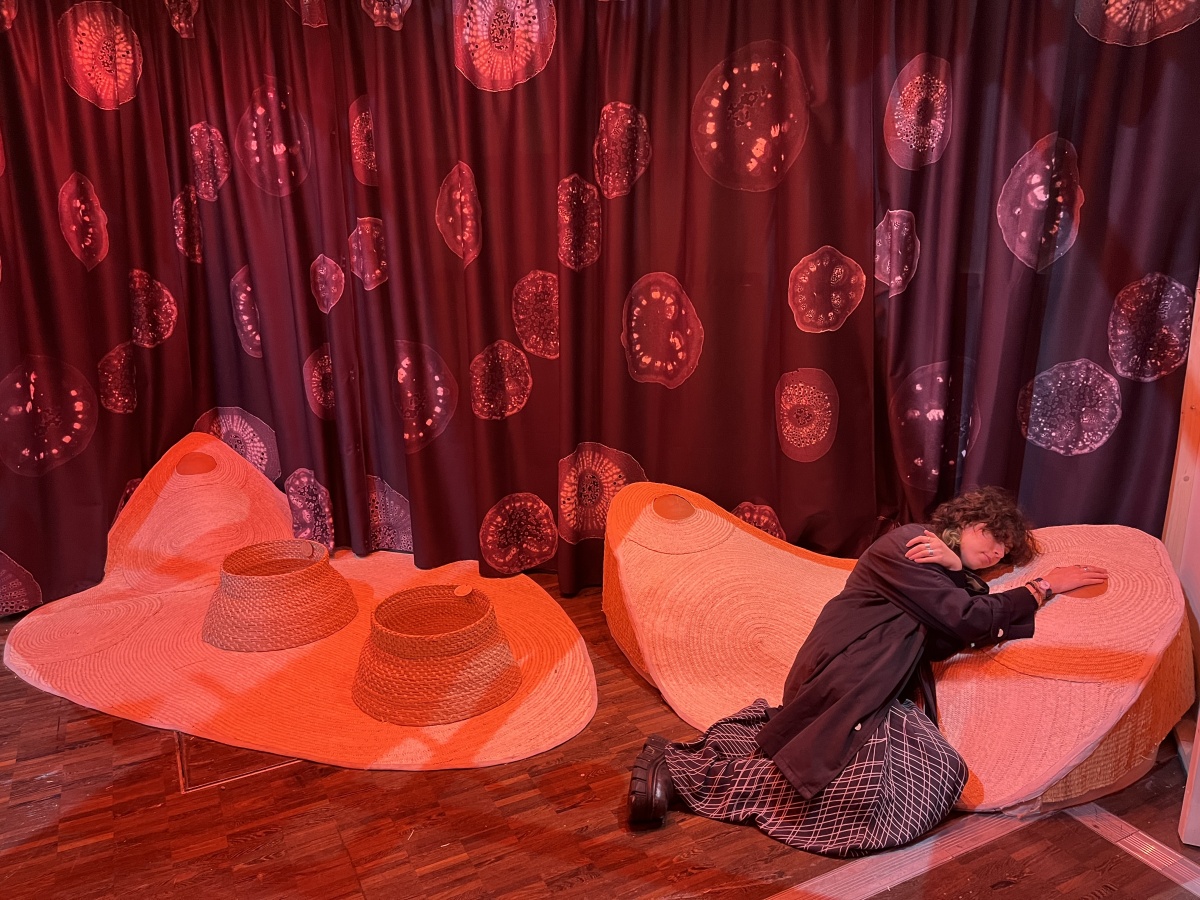
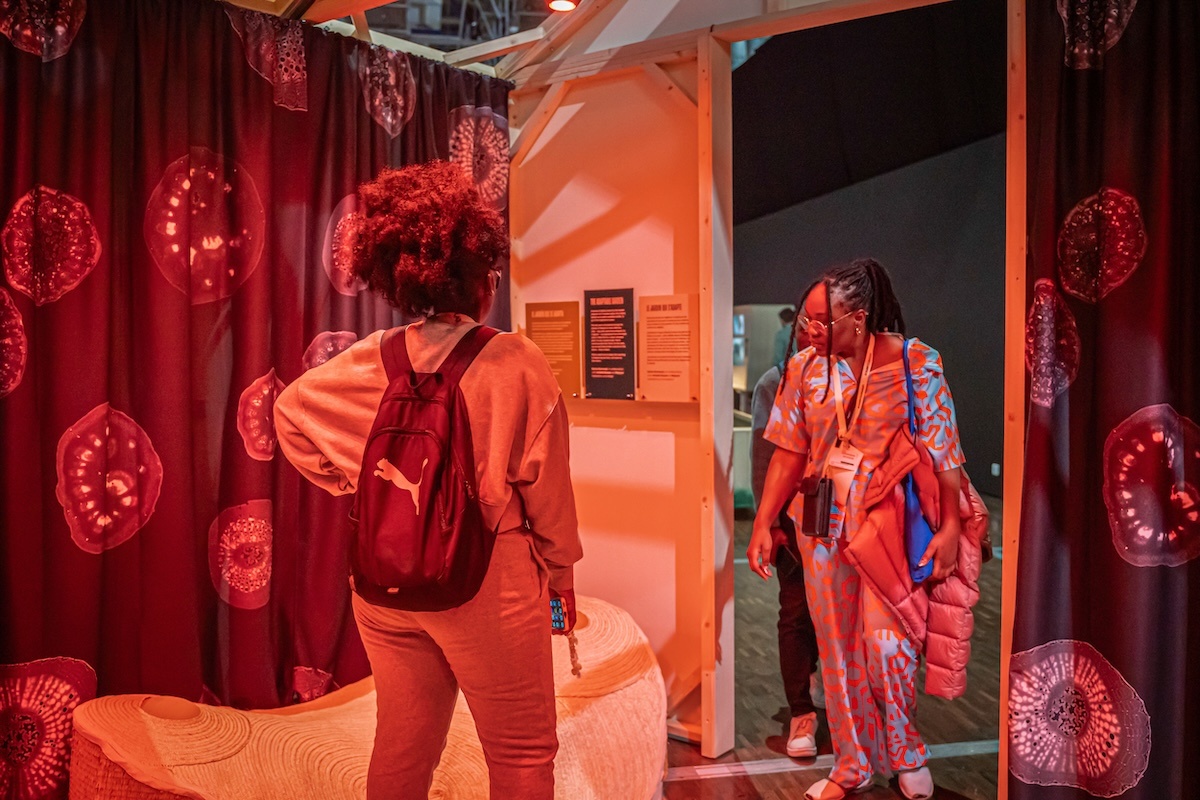
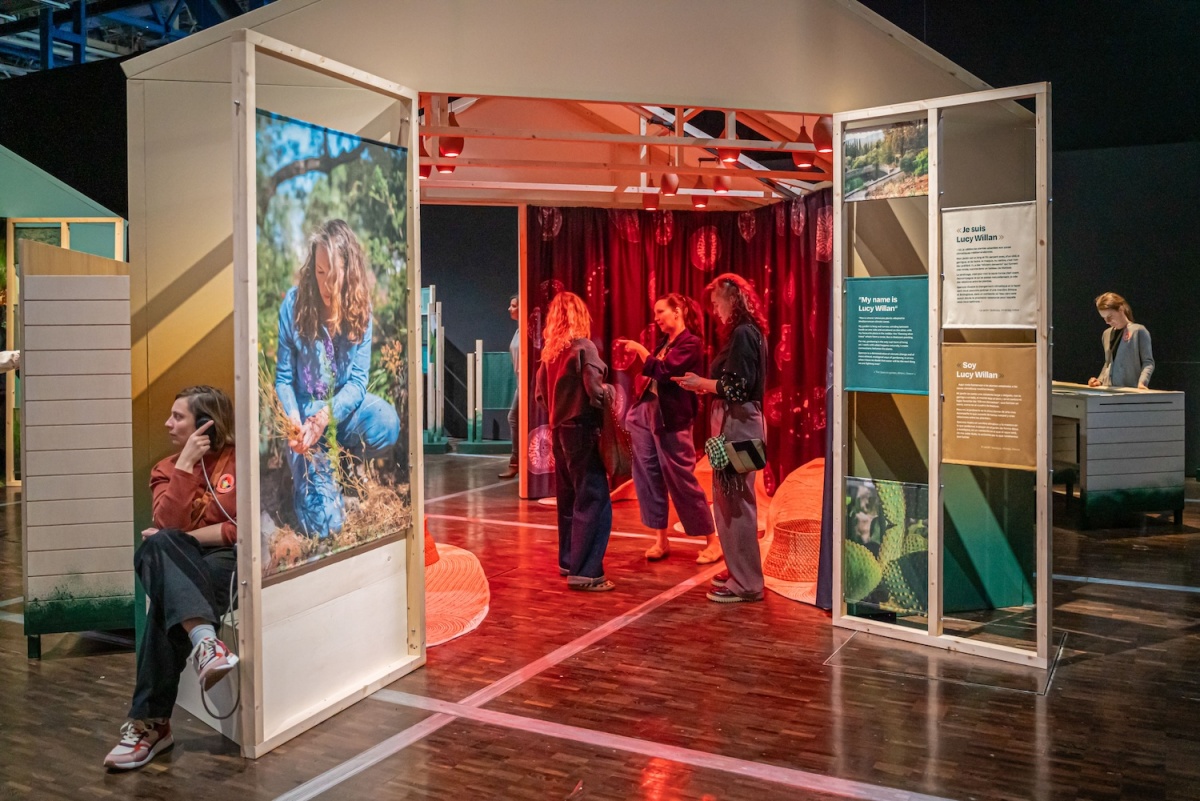
In this imaginary hillside landscape, made of dried palm leaves and rushes woven by craftswomen from the Chenini oasis (Tunisia), large craters invite you to sit down. Stop. Slow down. Get into the rhythm of the plants. Feel the heat, hear the plants' thirst. The warm, red atmosphere evokes the stones of the Peloponnese and the intense light of the Mediterranean summer, absorbed by the leaves.
In the heart of dry gardens, oyas — porous ceramic pots used since ancient times — irrigate the soil deep down. Here, they engage the senses and diffuse light to those who look up, warmth to those who reach out, and sounds to those who listen. They allow us to experience from within what a plant feels when water is scarce.
When a plant suffers from drought, its sap-carrying vessels break under the tension of thirst. This phenomenon, called cavitation, is invisible to the naked eye — but it can be heard. Thanks to laboratory microphones, we can hear the crackling of the breaking channels: the plants ‘say’ they are thirsty.
Under a microscope, these vessels appear as black dots in the stems, evidence of this silent rupture.
Plants need time to adapt. But global warming is happening too fast.
In order for human time to harmonise with plant time, we must learn to slow down.
The adaptive garden is a space where the most contemporary science (with contributions from Eric Badel of INRAe PIAF) and ancestral craftsmanship (the craftswomen of the Chenini oasis) come together. The installation invites us to experience with our own bodies what a plant might feel, to become aware of the importance of our actions.
Produced in collaboration with:
Artistic team:
Artistik Bazaar, Rejoyce, Alice l’Horset
Scientific team:
Micro-tomography of vascular embolisms in plant stems
PIAF (INRAE-UCA): Eric Badel, Hervé Cochard / BIOGECO (INRAE-Univ-Bordeaux): Sylvain Delzon.
Embolism sound
PIAF (INRAE-UCA): Eric Badel, Hervé Cochard / LIPHY (CNRS-Univ. Grenoble Alpes): Philippe Marmottant, Alexandre Ponomarenko.
Team of craftswomen from Chenini, Tunisia
Rachida Akrout, Mounira Bâgga, Ahlem Bessoud, Gmar Naceur, Basma Toumi / Coordination: Amina Ben Mansour, Mabrouk Jerbi.